


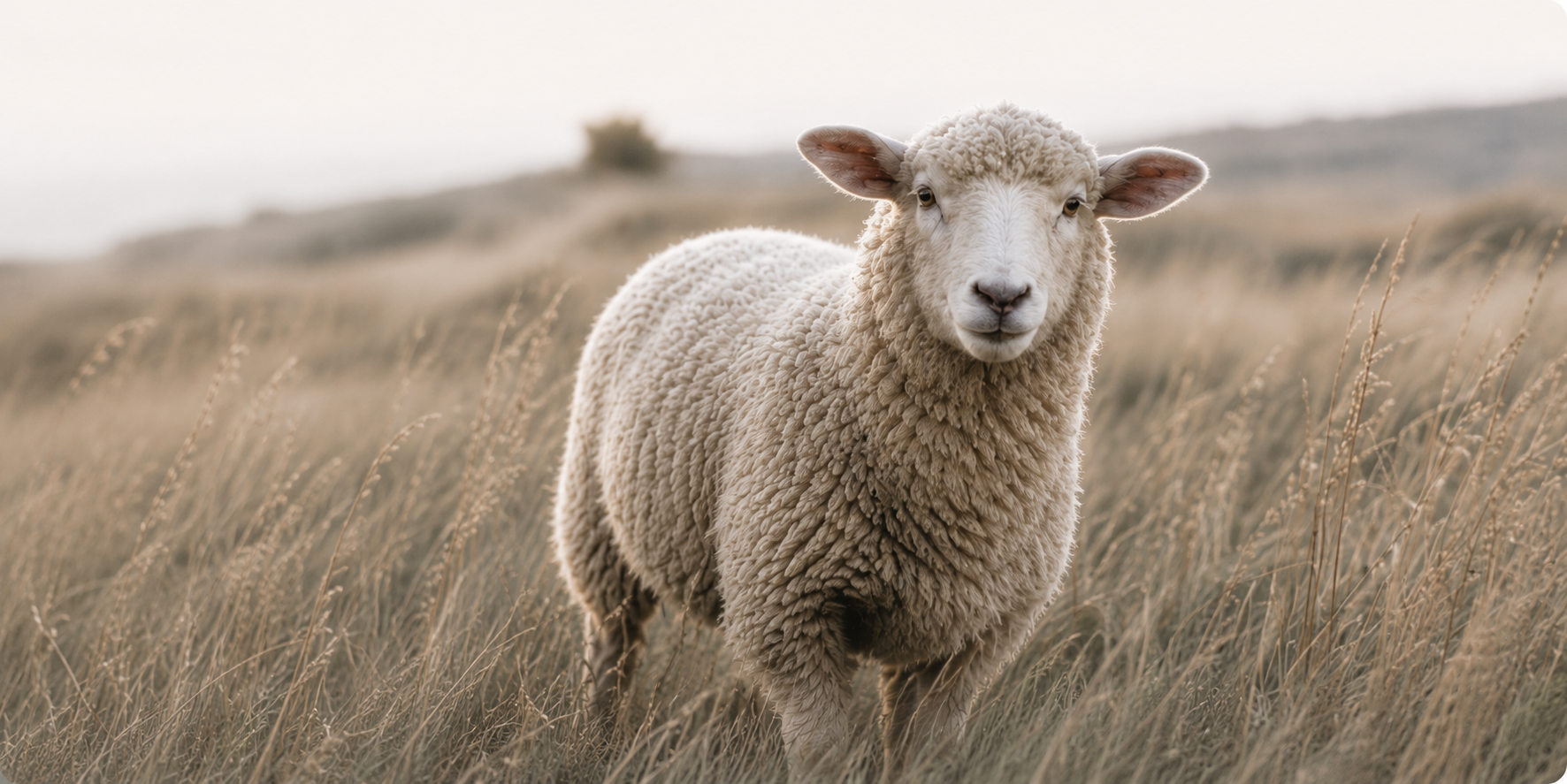
Why Certifications Are Important
Certificates create transparency - especially for baby and children's clothing.
They help to better classify natural fibers, organic quality, and tested materials.
The most important seals
GOTS - Global Organic Textile Standard
GOTS applies to textiles made from organic natural fibers and considers the entire textile chain: from raw material extraction to environmentally and socially responsible manufacturing and labeling.
kbT - controlled organic animal husbandry
kbT stands for wool from controlled organic livestock farming. The focus is on animal-friendly husbandry, organic feeding, and controlled standards for animal fibers.
IVN BEST
IVN BEST is one of the particularly demanding standards for natural textiles. The standard is based on GOTS and includes additional requirements; the focus is on pure natural fibers.
OEKO-TEX STANDARD 100
OEKO-TEX STANDARD 100 tests textiles for harmful substances - from the yarn to the finished product. Important: It is not an organic label, but a harmful substance testing label.
Vergleich auf einen Blick
| Siegel | Fokus | Besonders wichtig für |
|---|---|---|
| GOTS | Bio-Fasern, Umwelt, soziale Kriterien | Bio-Textilien |
| kbT | Tierhaltung bei Wolle | Bio-Wolle |
| IVN BEST | sehr strenge Naturtextil-Kriterien | reine Naturfasern |
| OEKO-TEX STANDARD 100 | Schadstoffprüfung | hautfreundliche Kleidung |

Our Halfen reference
Not every product carries every seal. That's why it's always worth taking a look at the respective product description. There, we transparently show which materials and certifications are relevant for the article.
Frequently Asked Questions
Is OEKO-TEX the same as organic?
No. OEKO-TEX tests for harmful substances but does not state that a material has been organically grown.
Which is better: GOTS or OEKO-TEX?
Both seals have different focuses. GOTS considers organic fibers and manufacturing. OEKO-TEX tests for harmful substances.
What does kbT mean for wool?
kbT stands for controlled organic animal husbandry.