


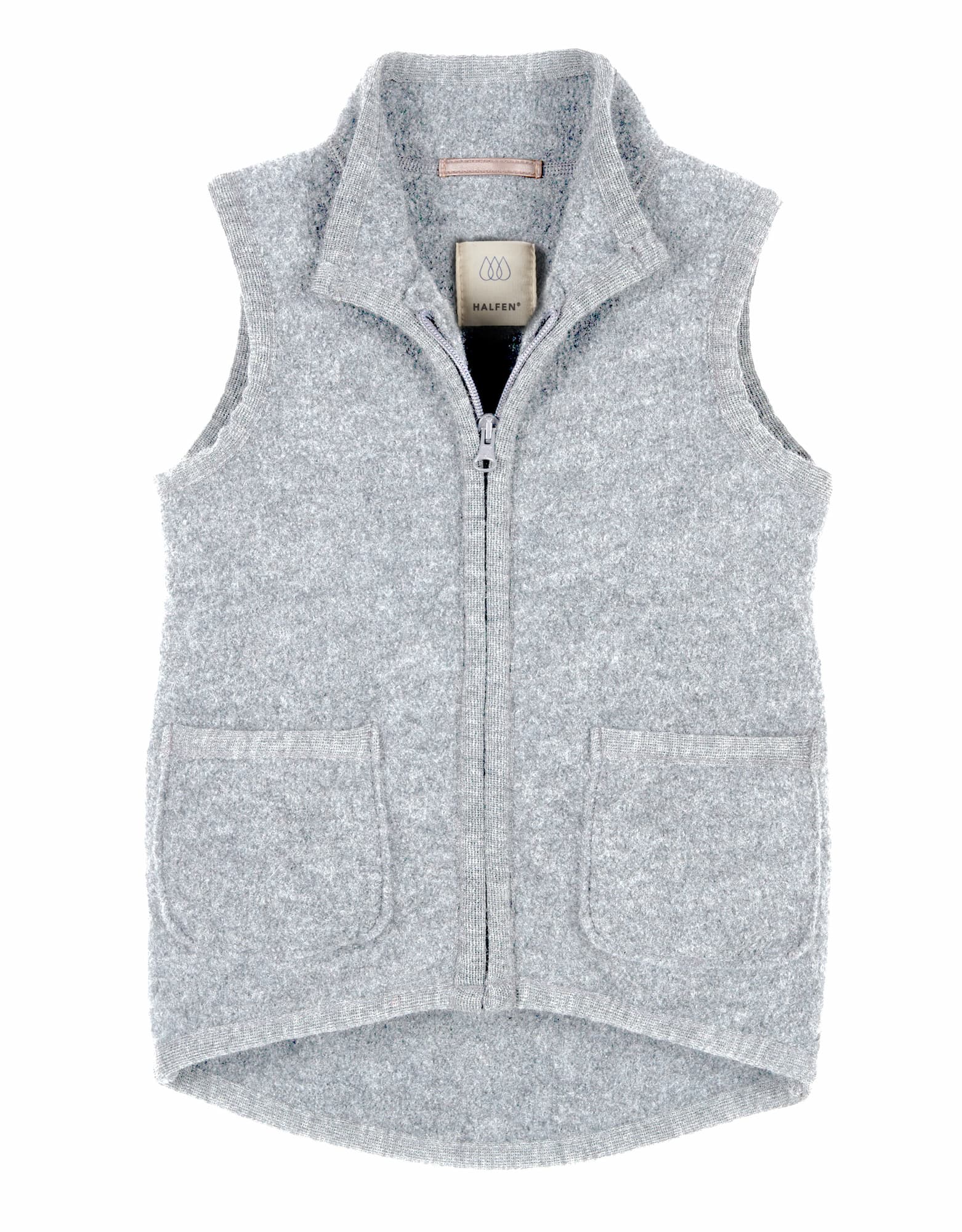
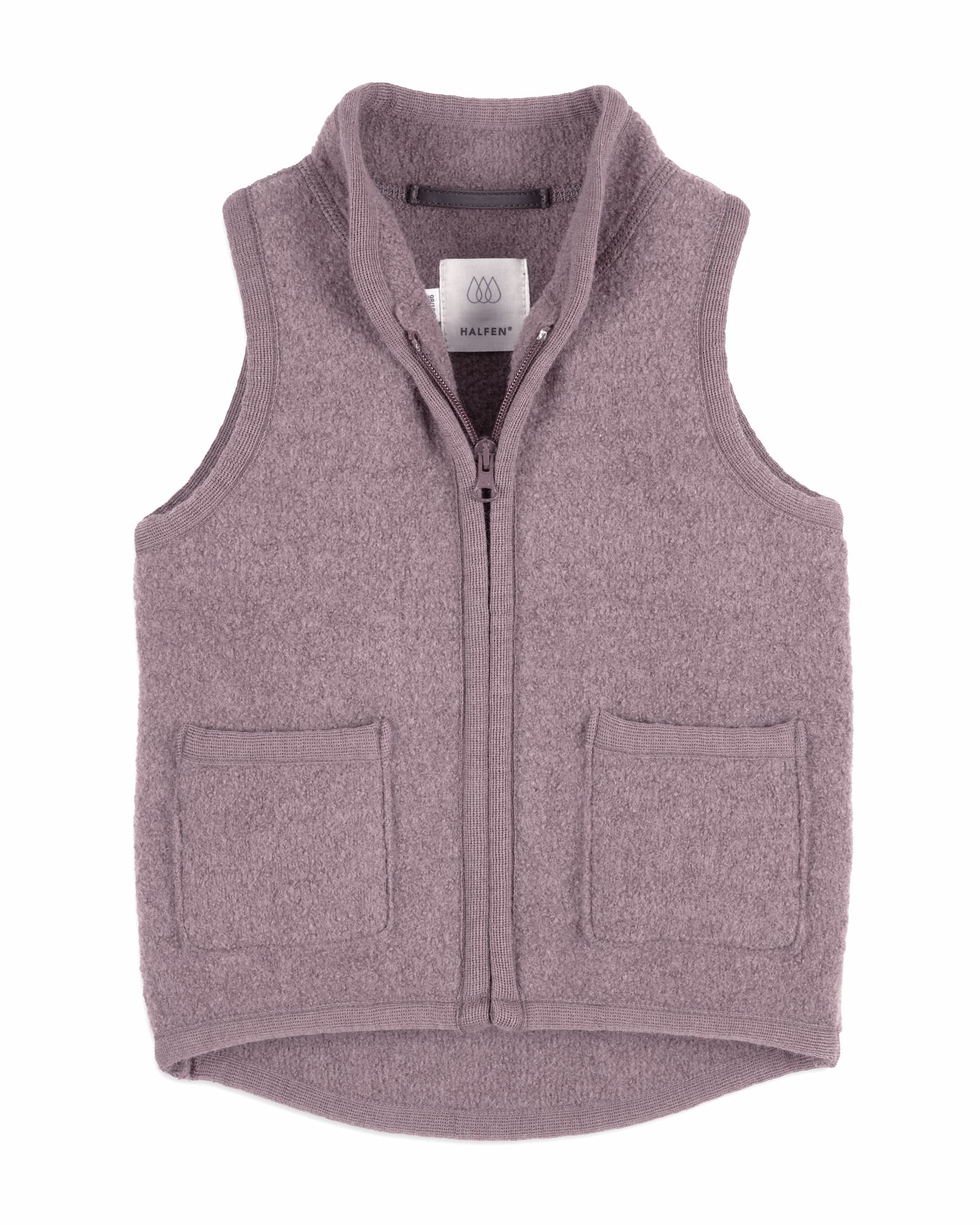
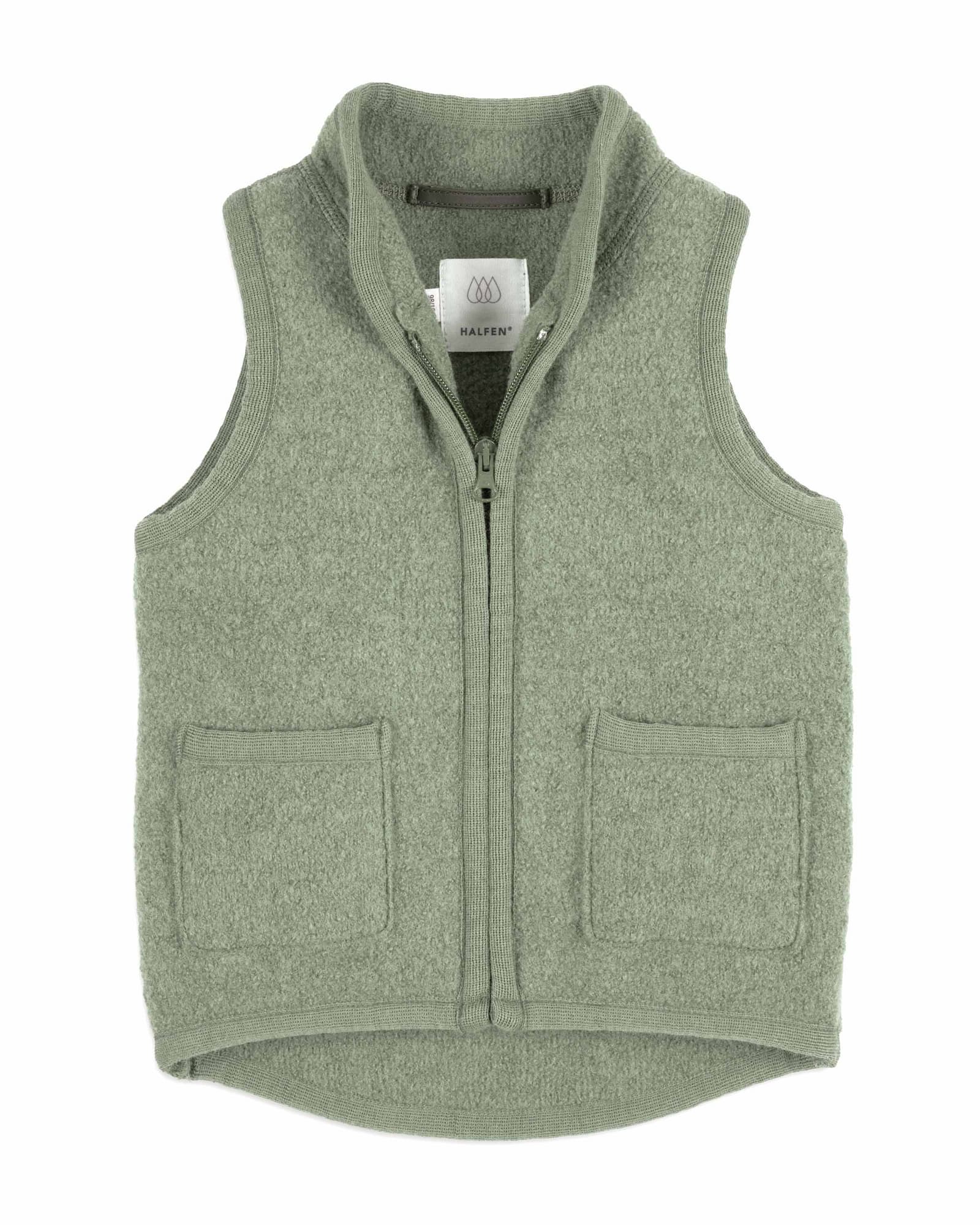
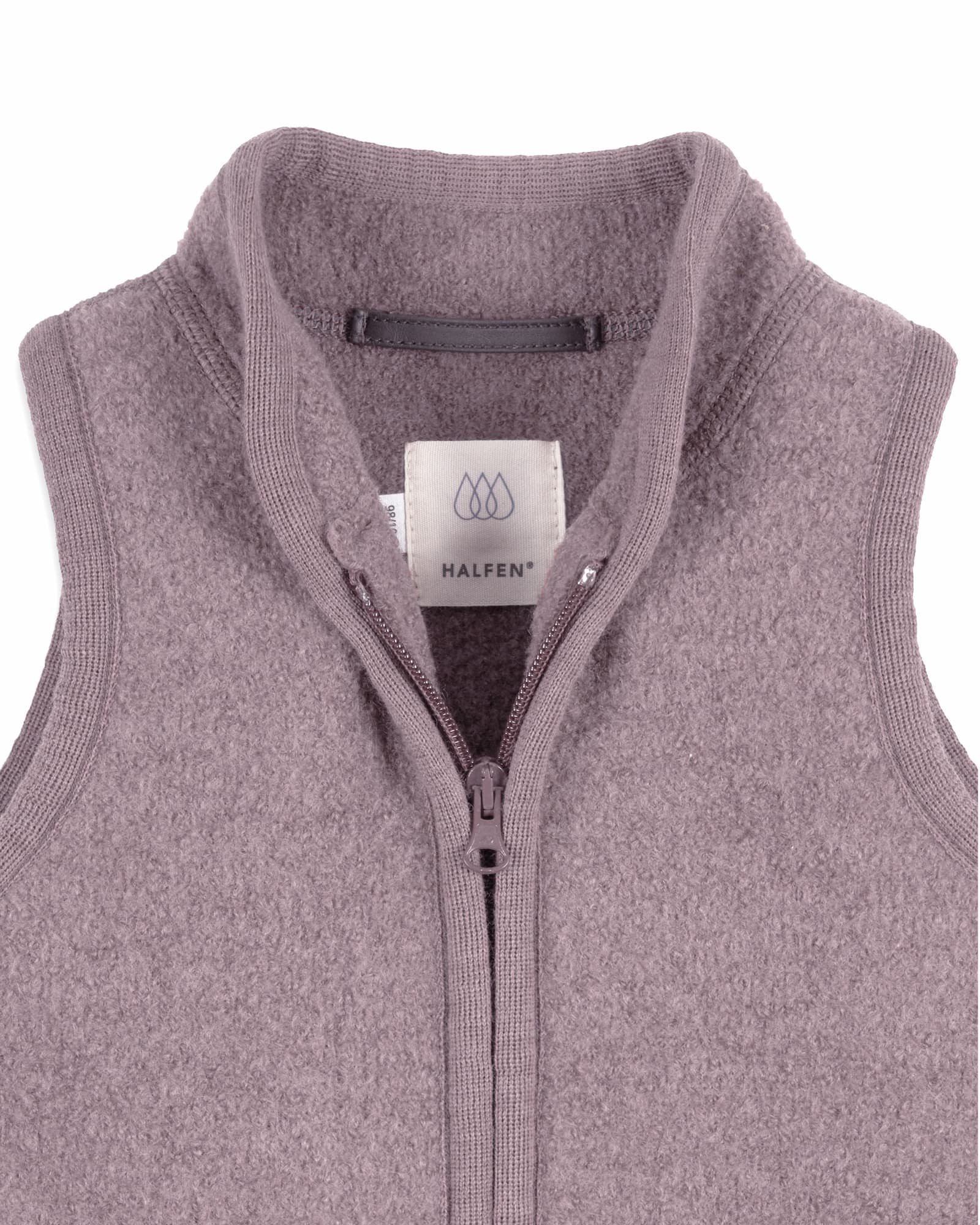

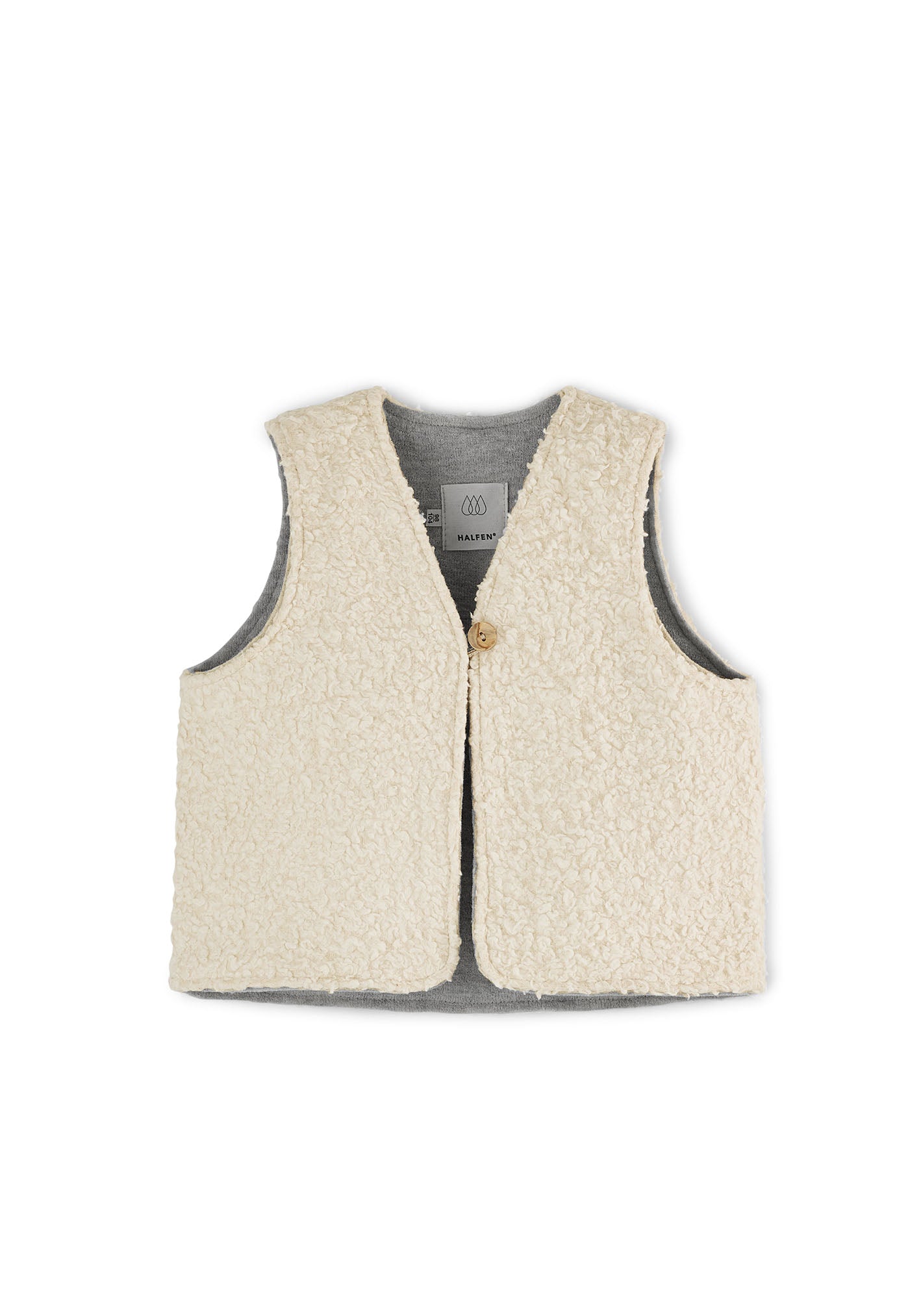
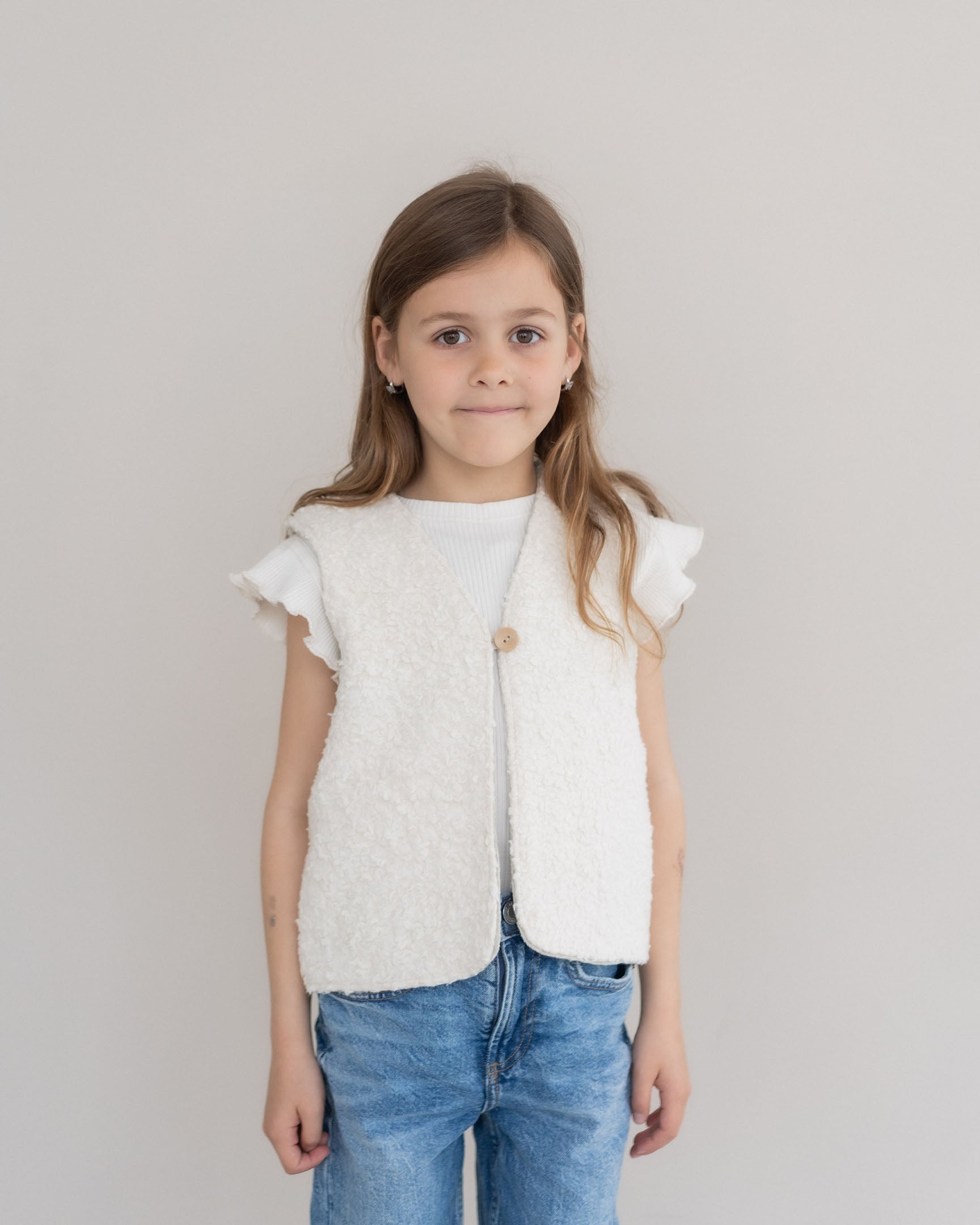
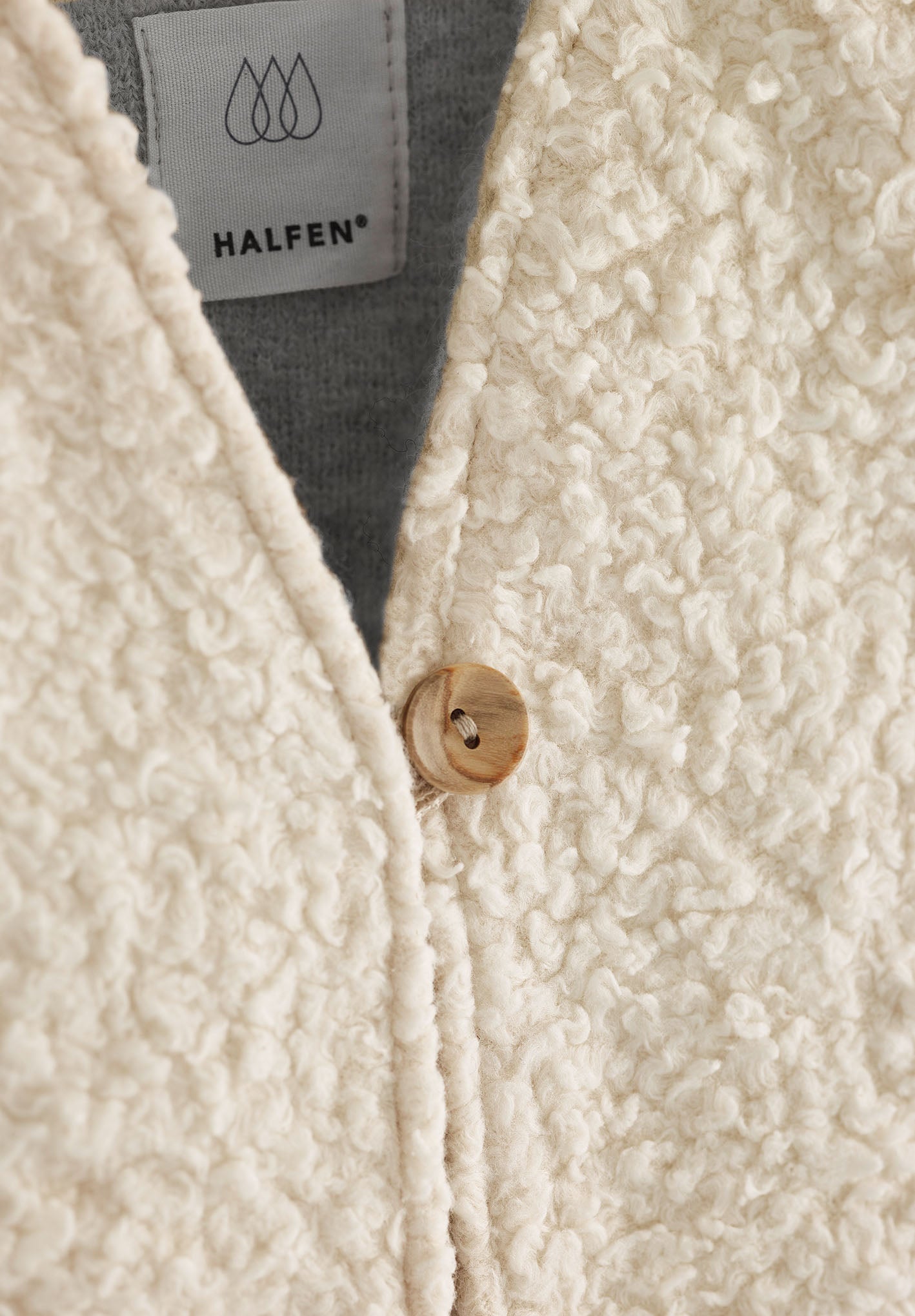
Teddy Vest Made of Fine Boiled Wool | Children
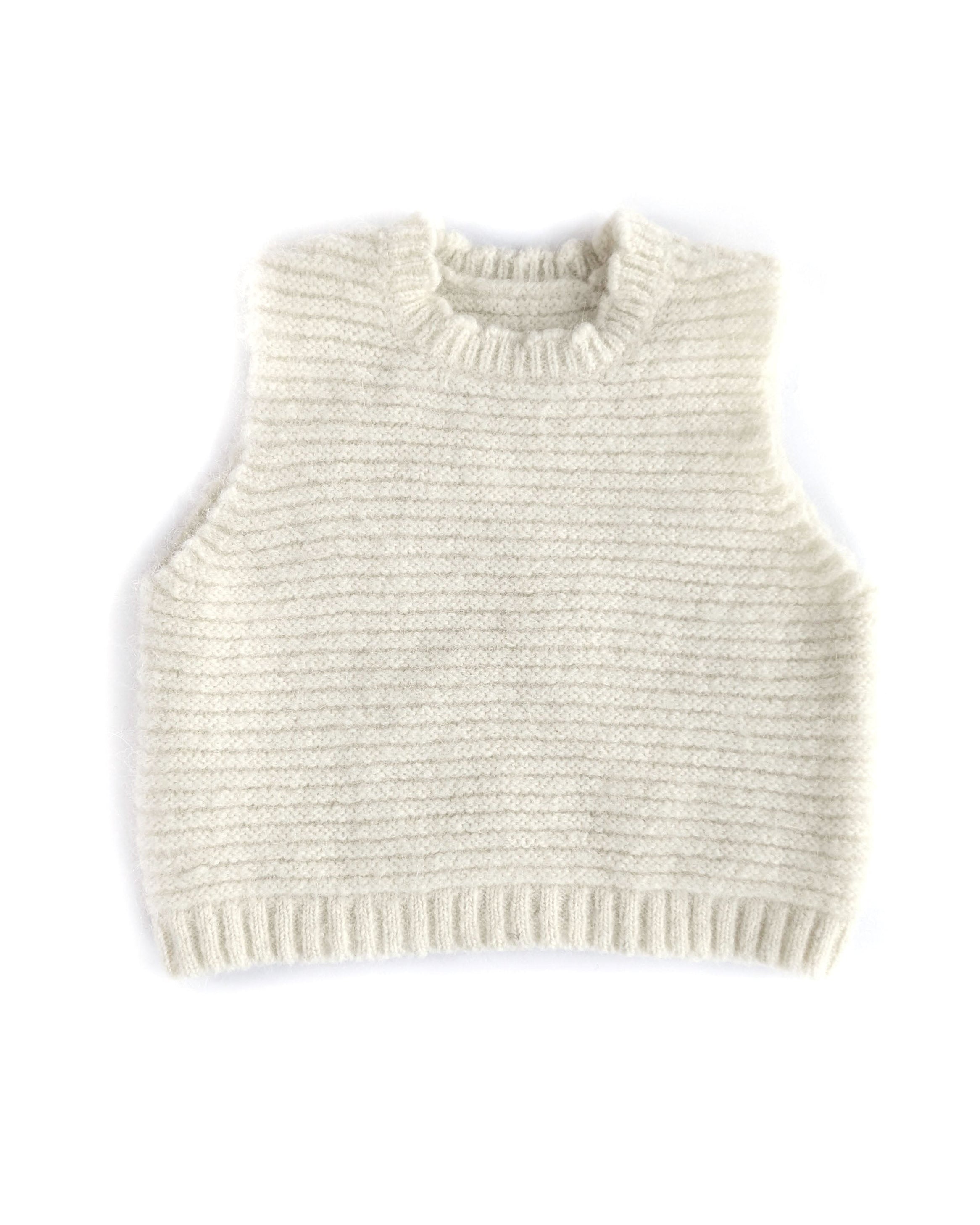
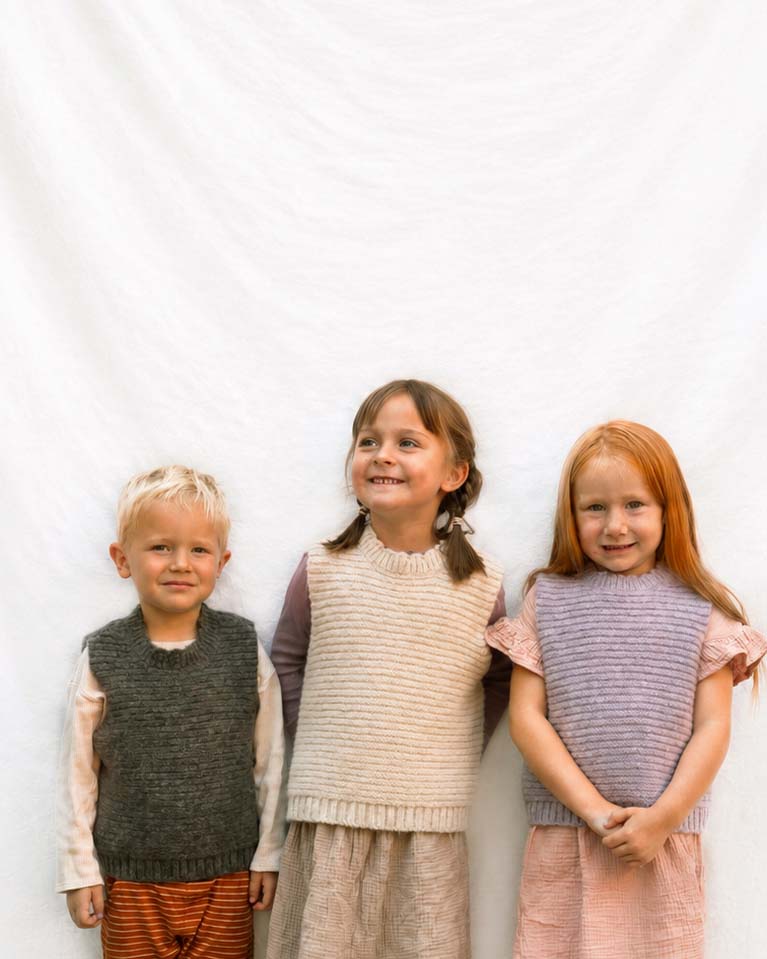
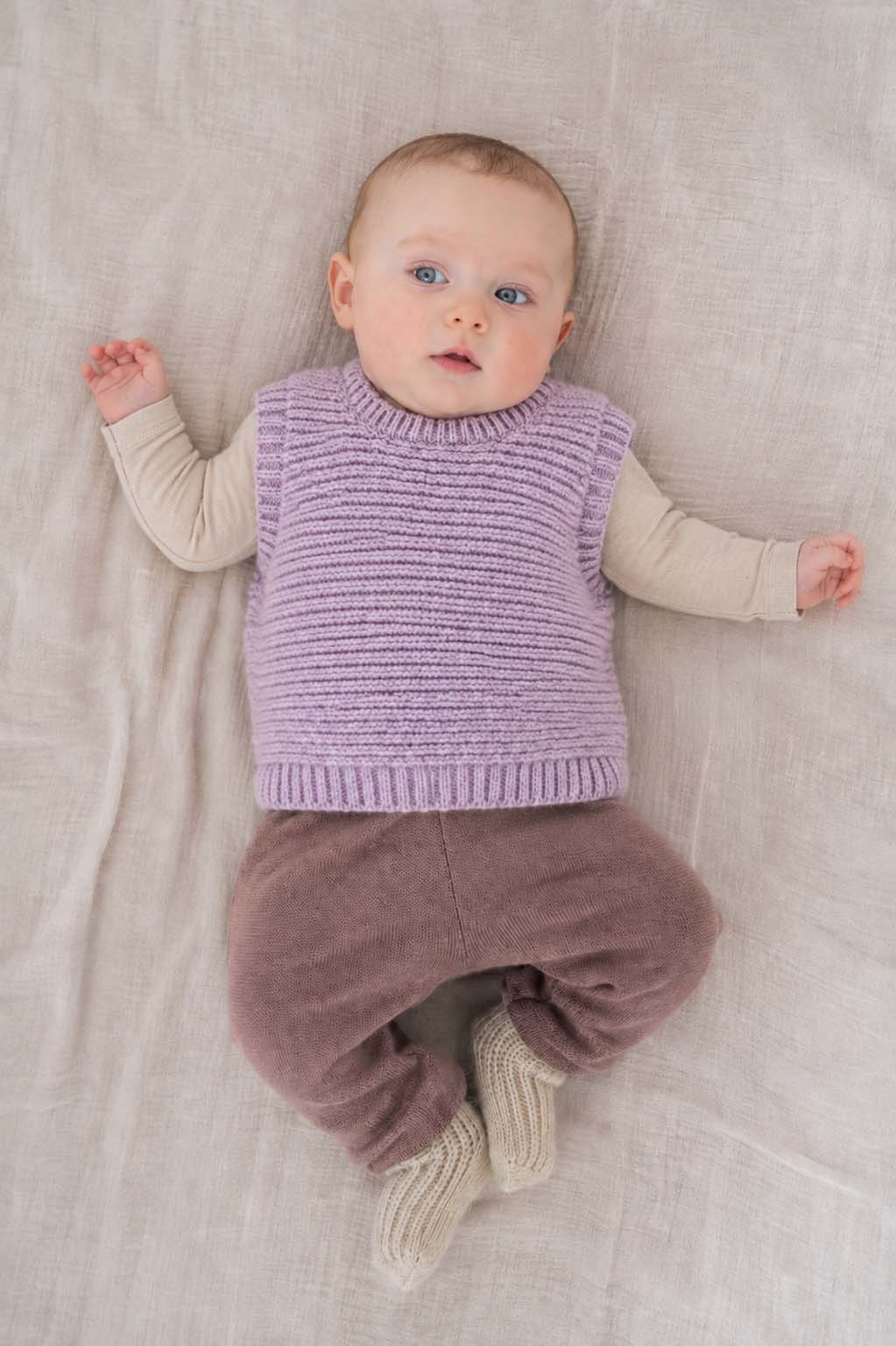
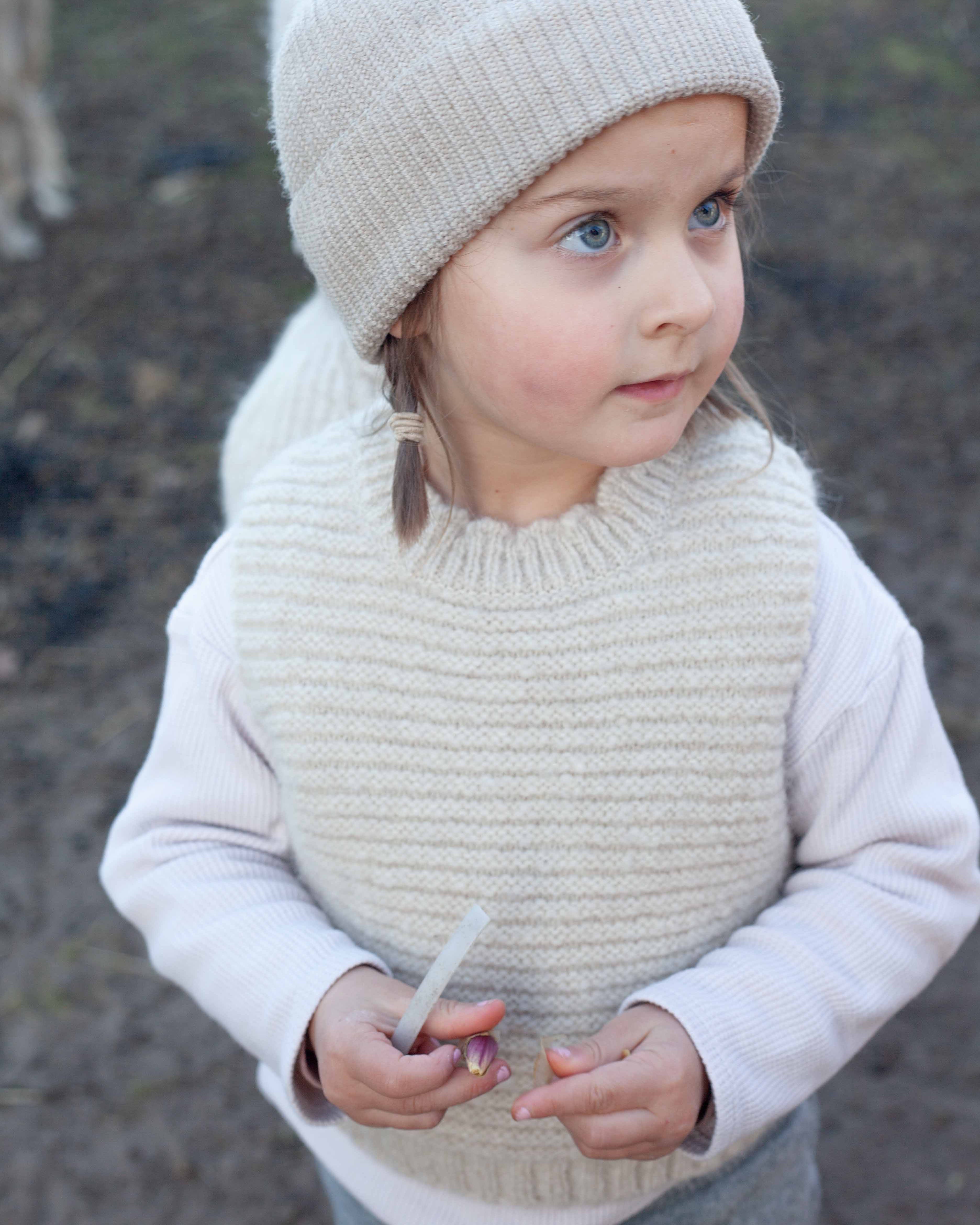
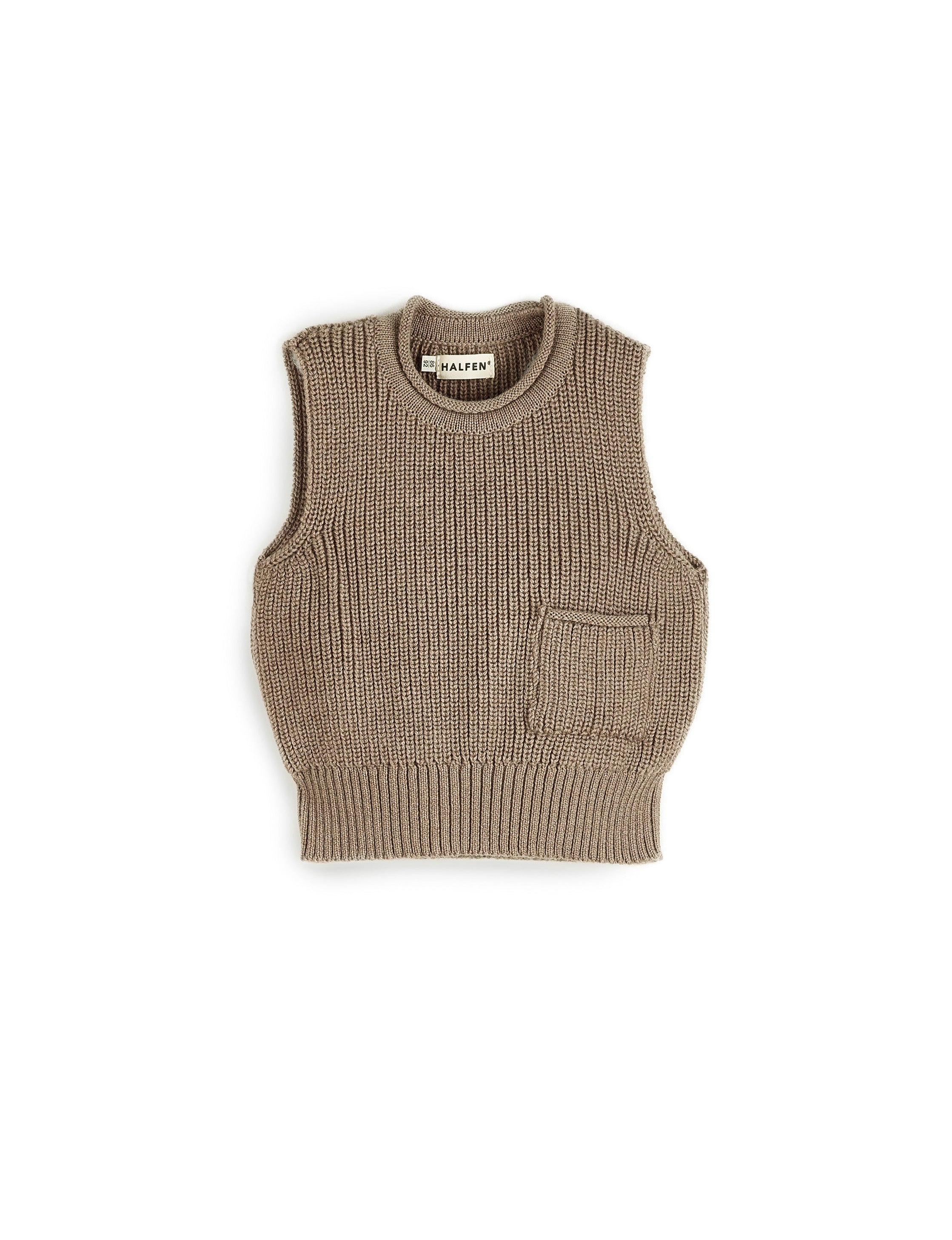

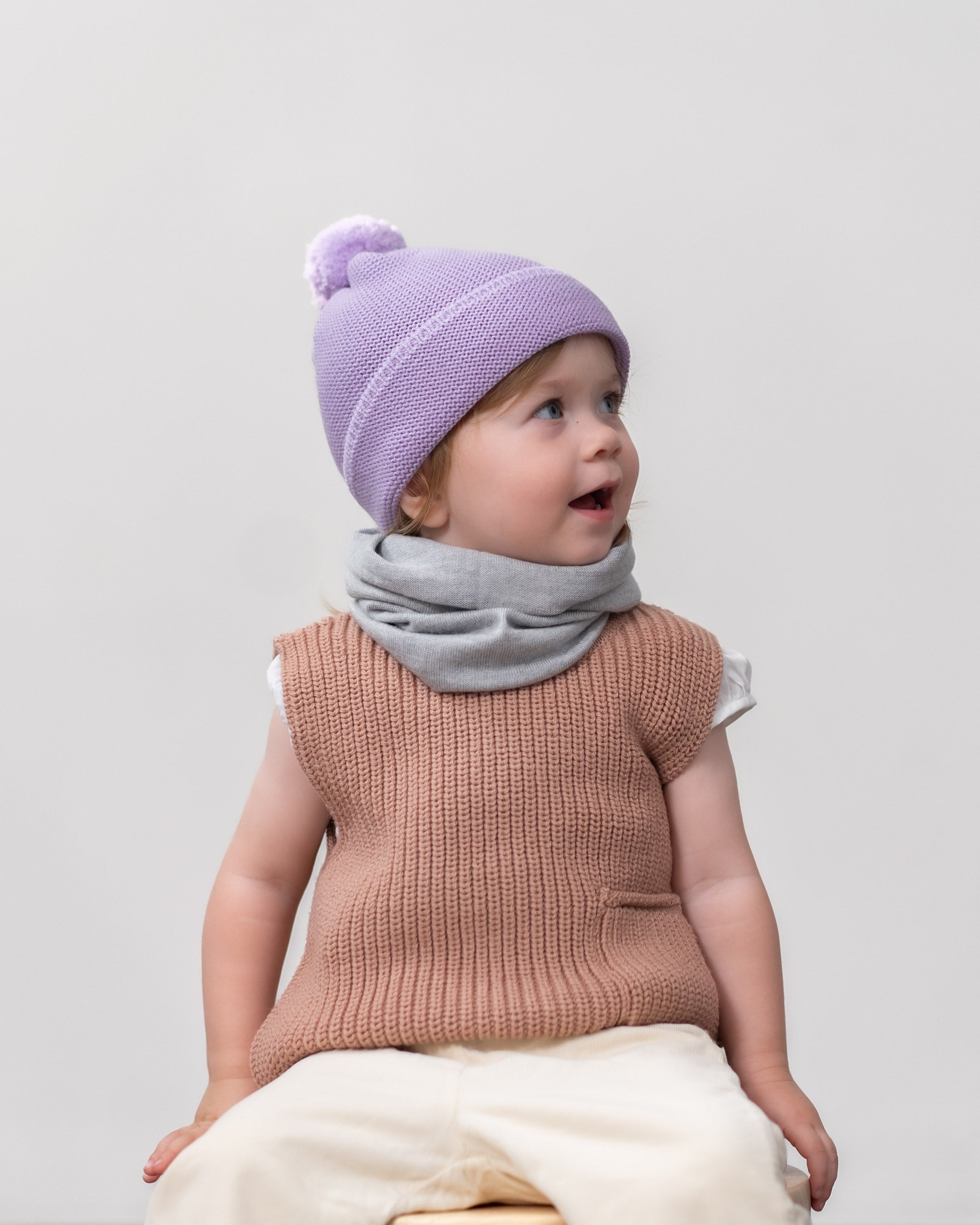
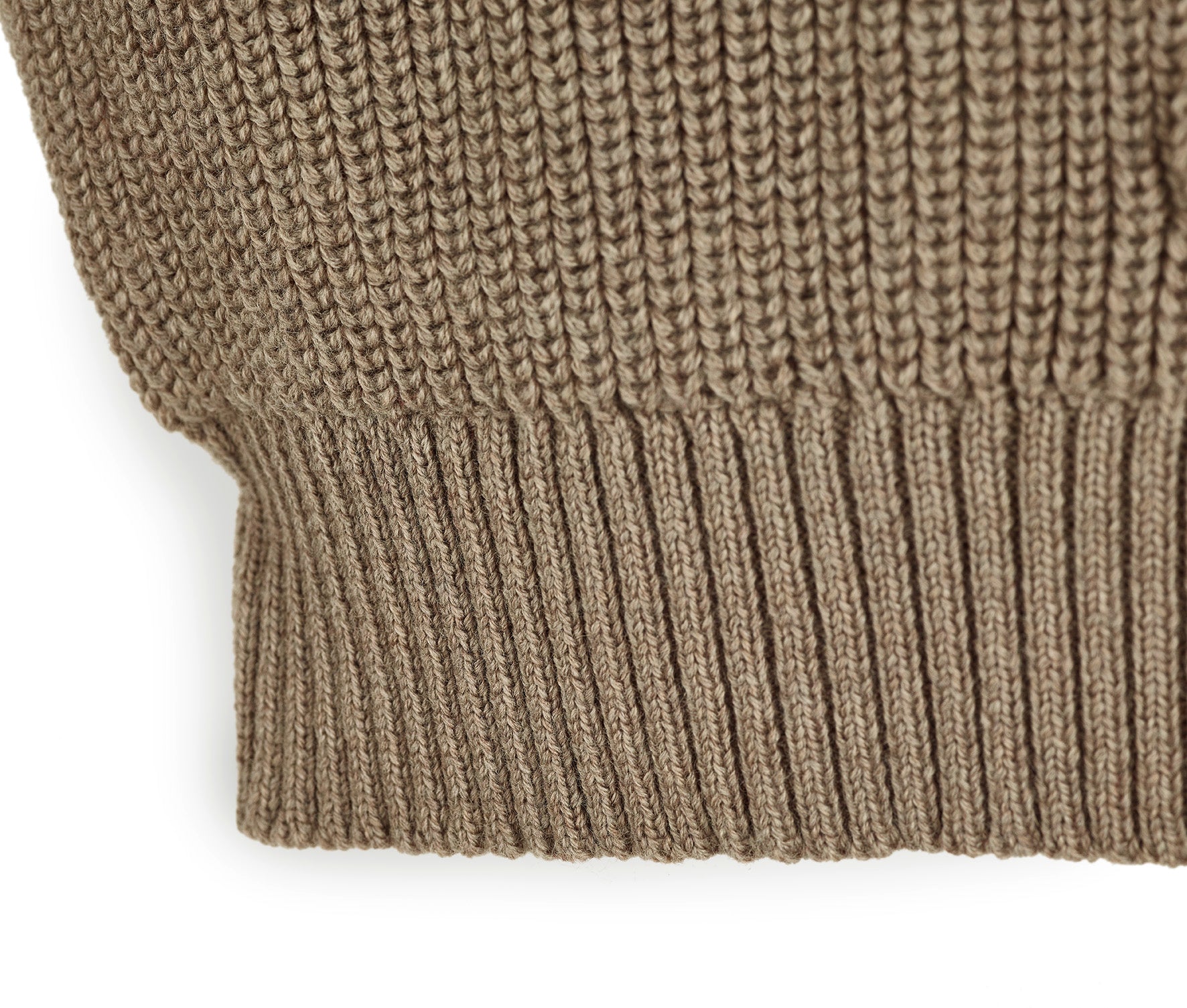
Children's Pullovers & Vests Made from Natural Fibers
Children's bodies have their own rhythm: running, standing, sweating, freezing – often all within half an hour. A vest or sleeveless pullover solves this problem without the child constantly having to change clothes. The torso stays warm, the arms remain free for movement, and it can be taken off faster than a jacket. We rely on boiled wool for outdoors and knitwear for indoors and the transitional period.
Boiled wool vest or knitted sleeveless pullover?
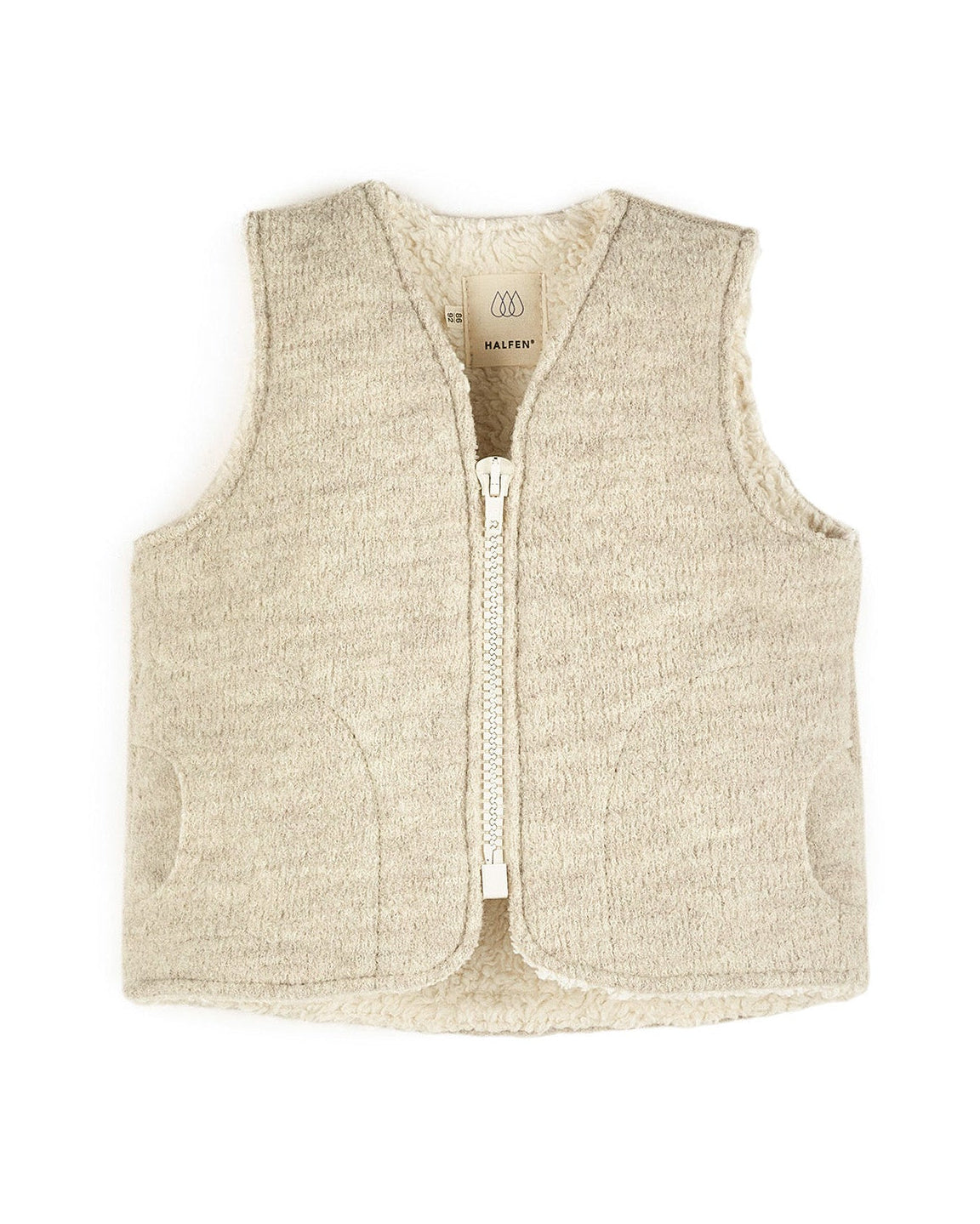
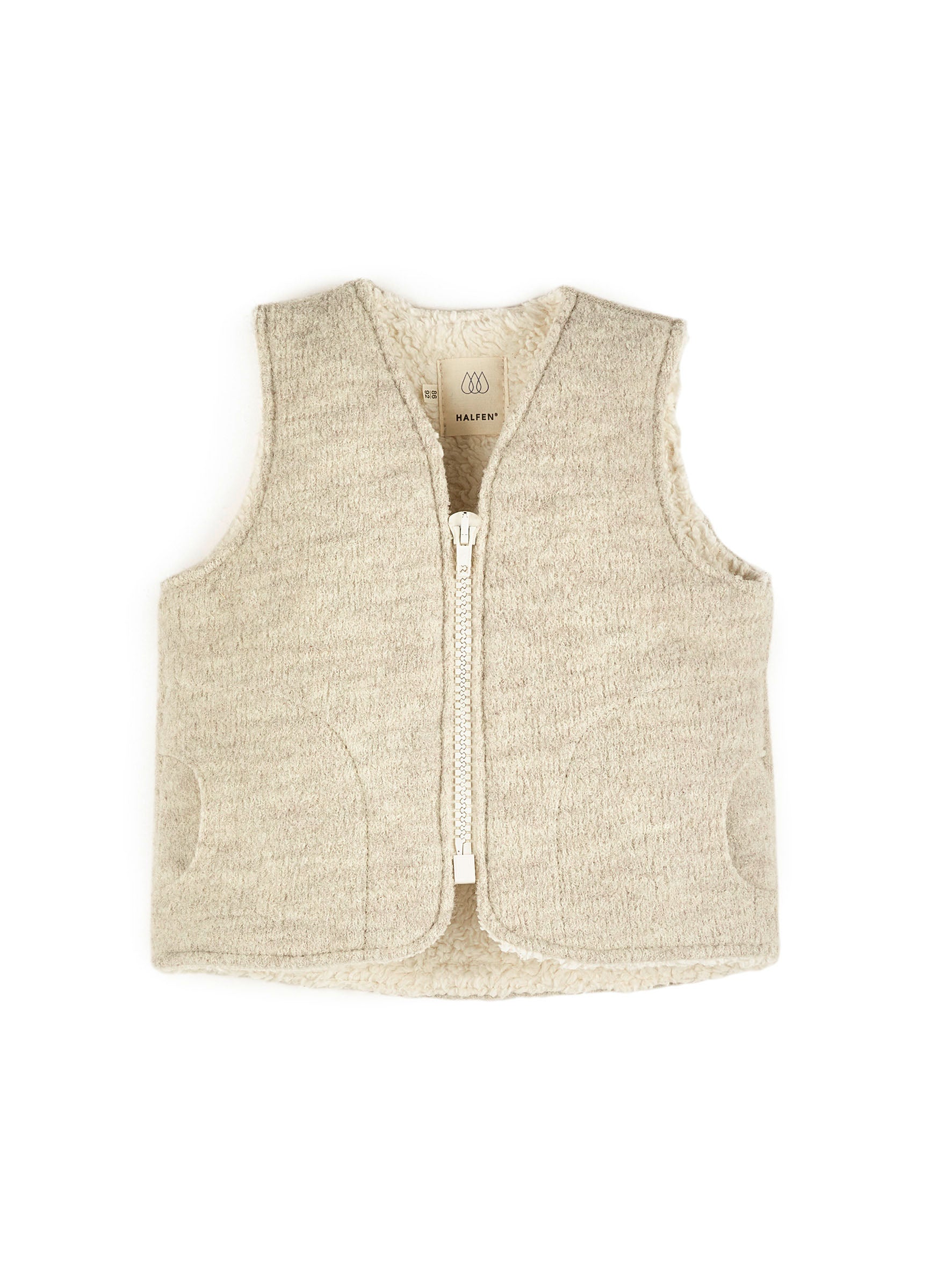
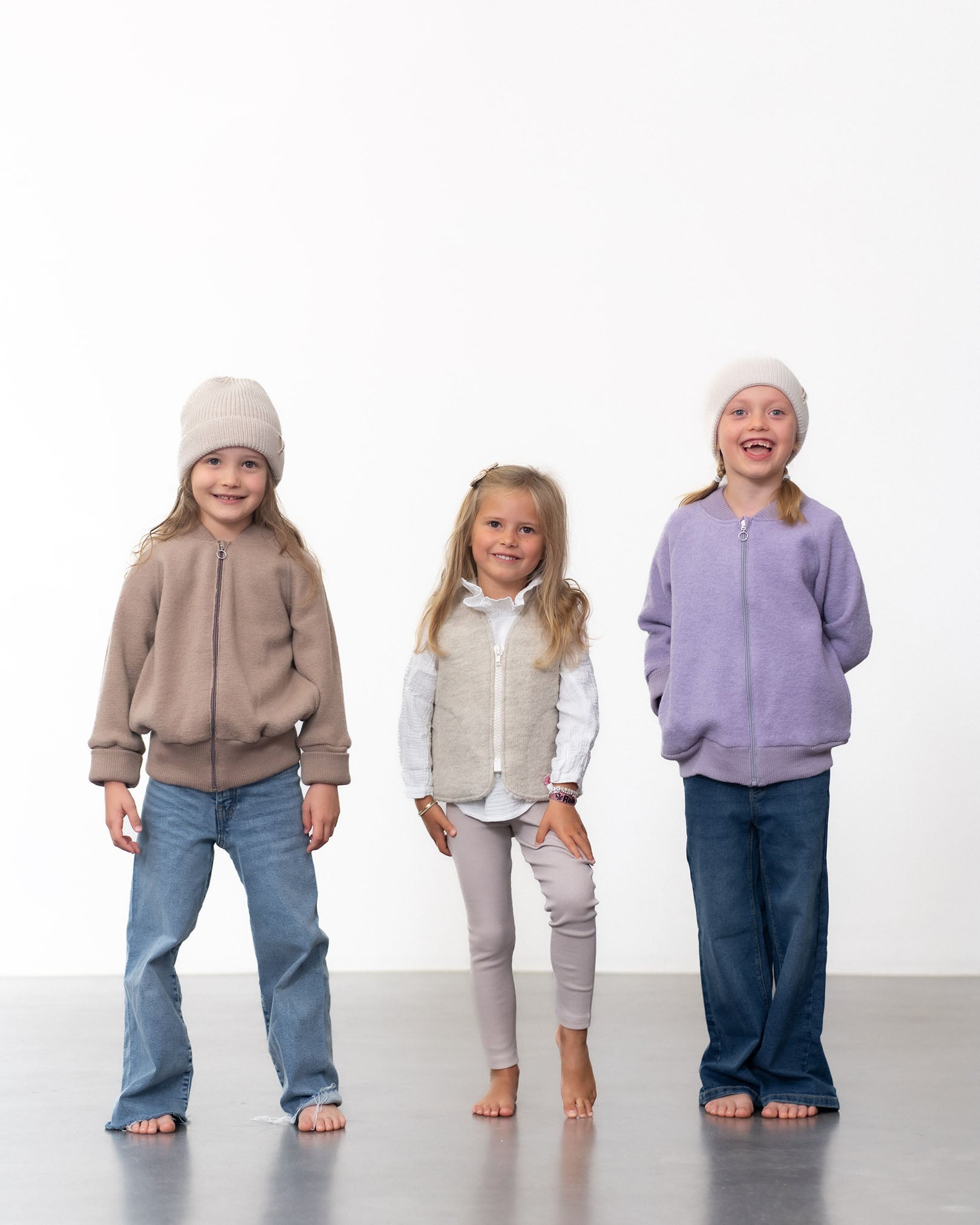
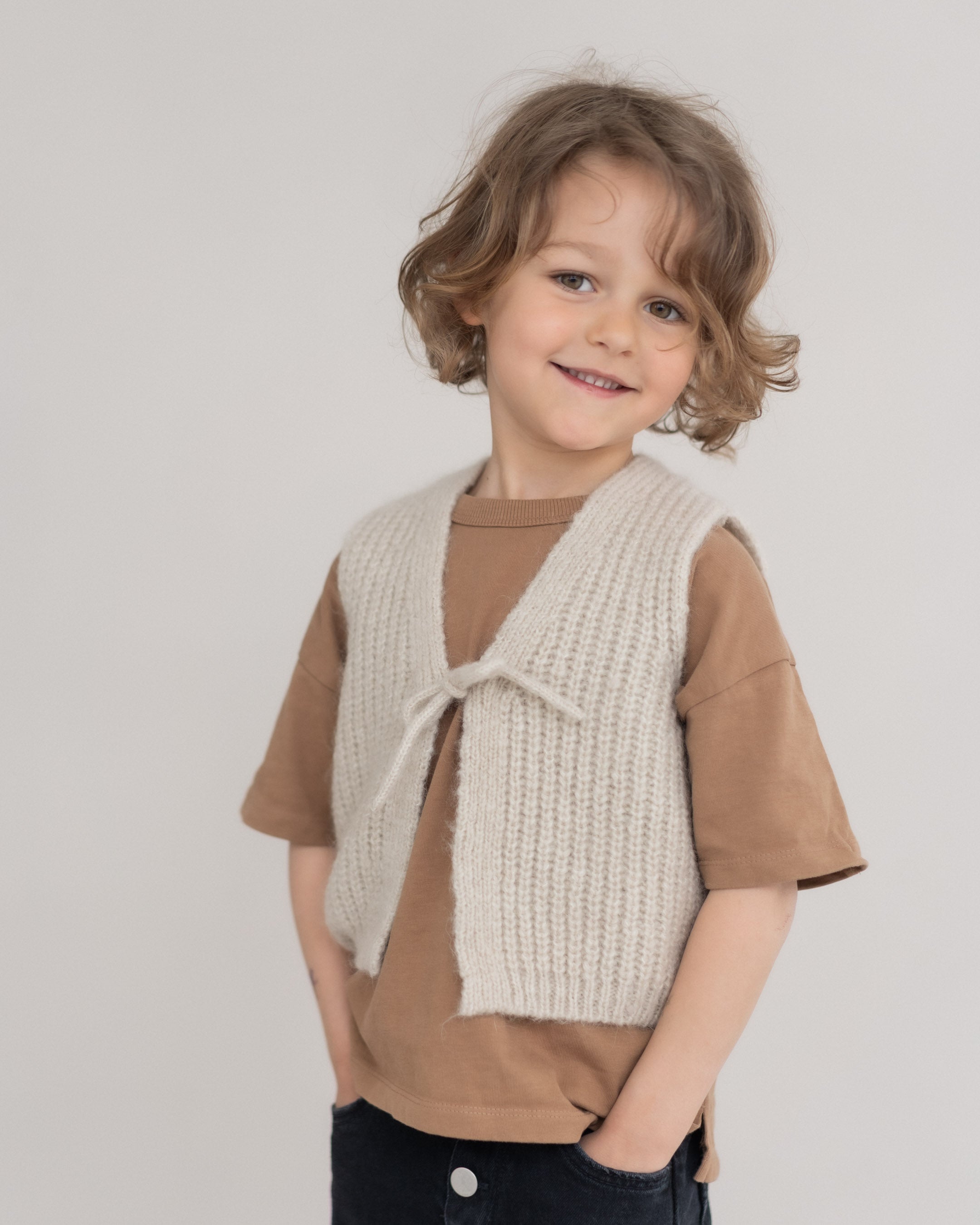
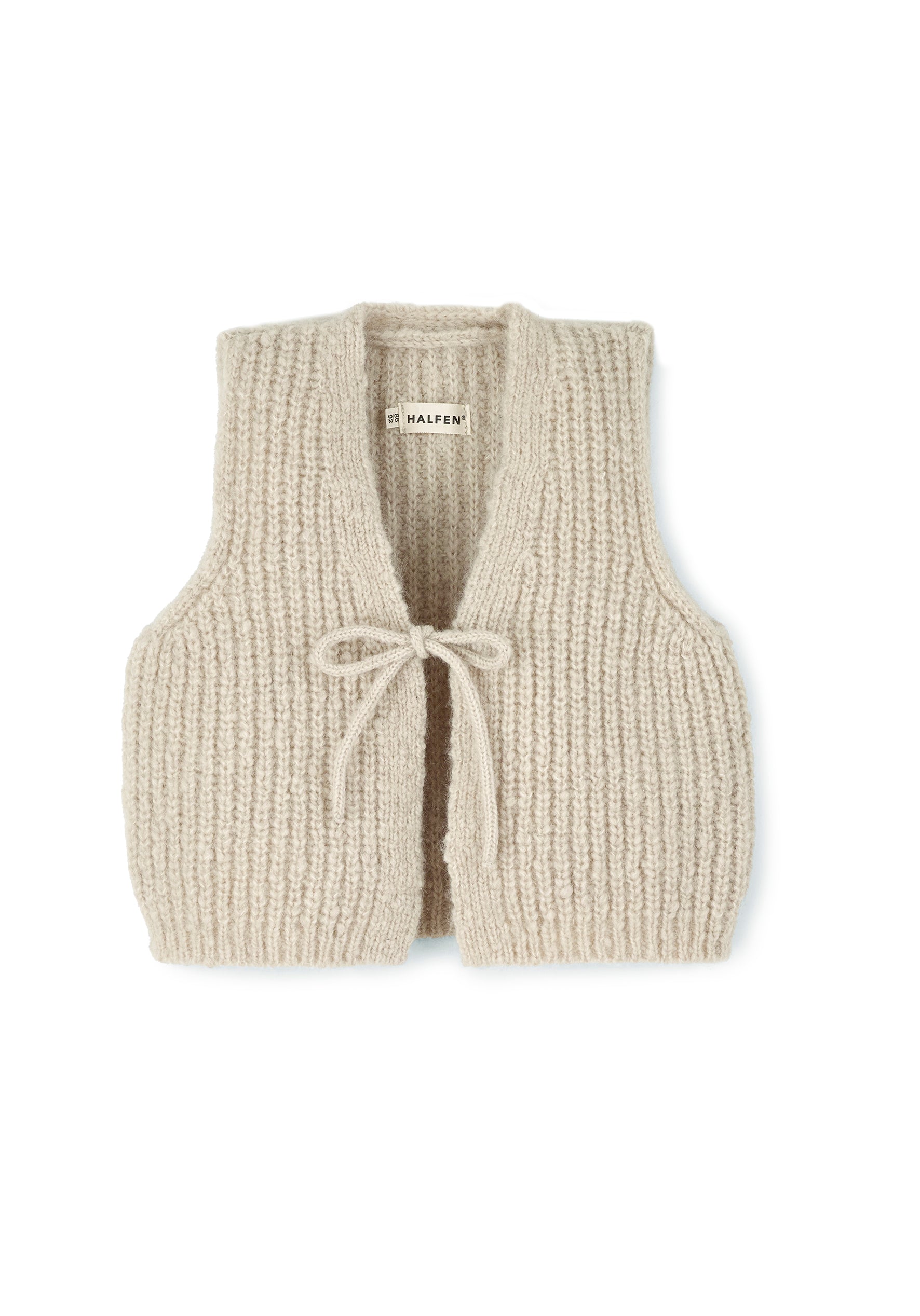
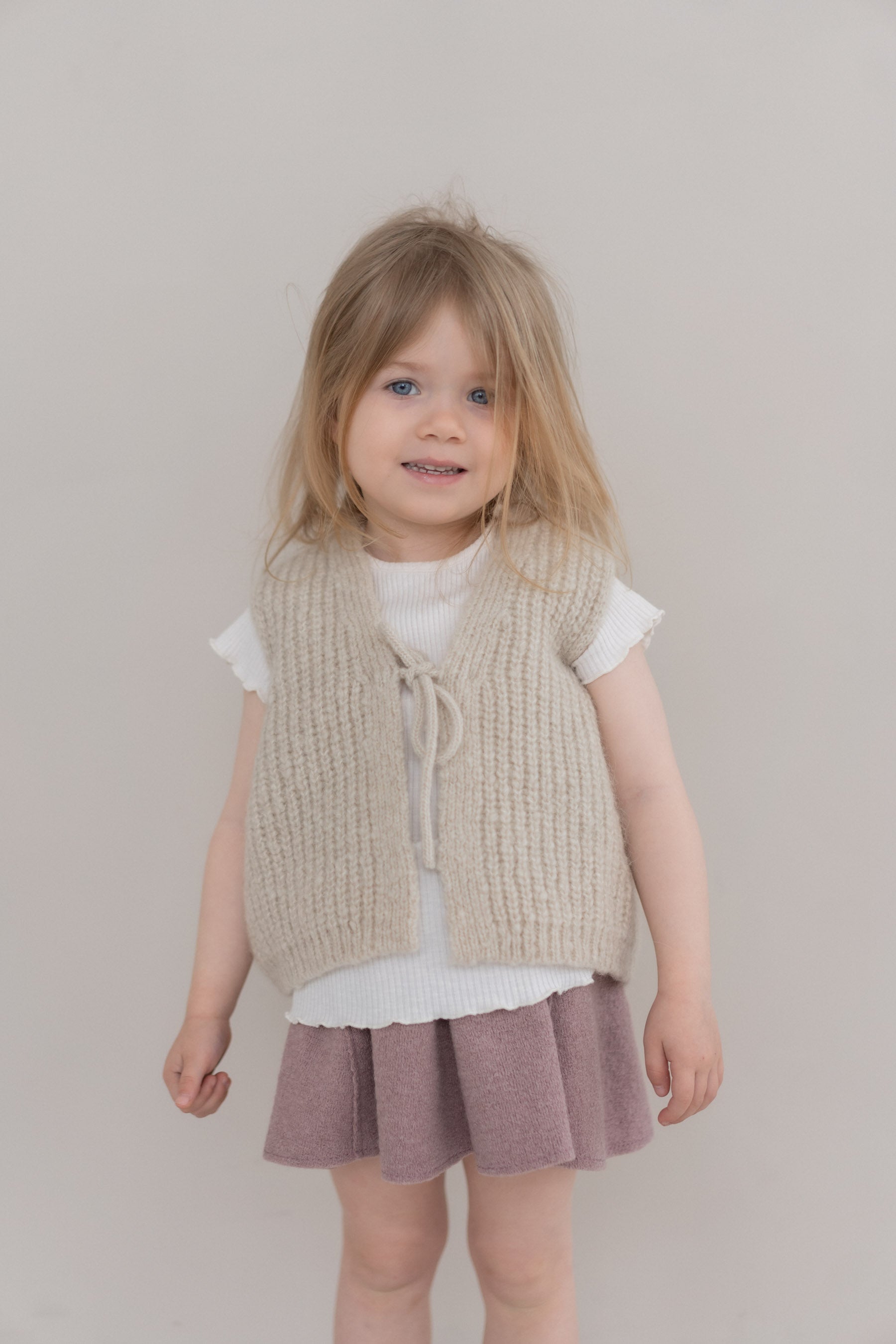
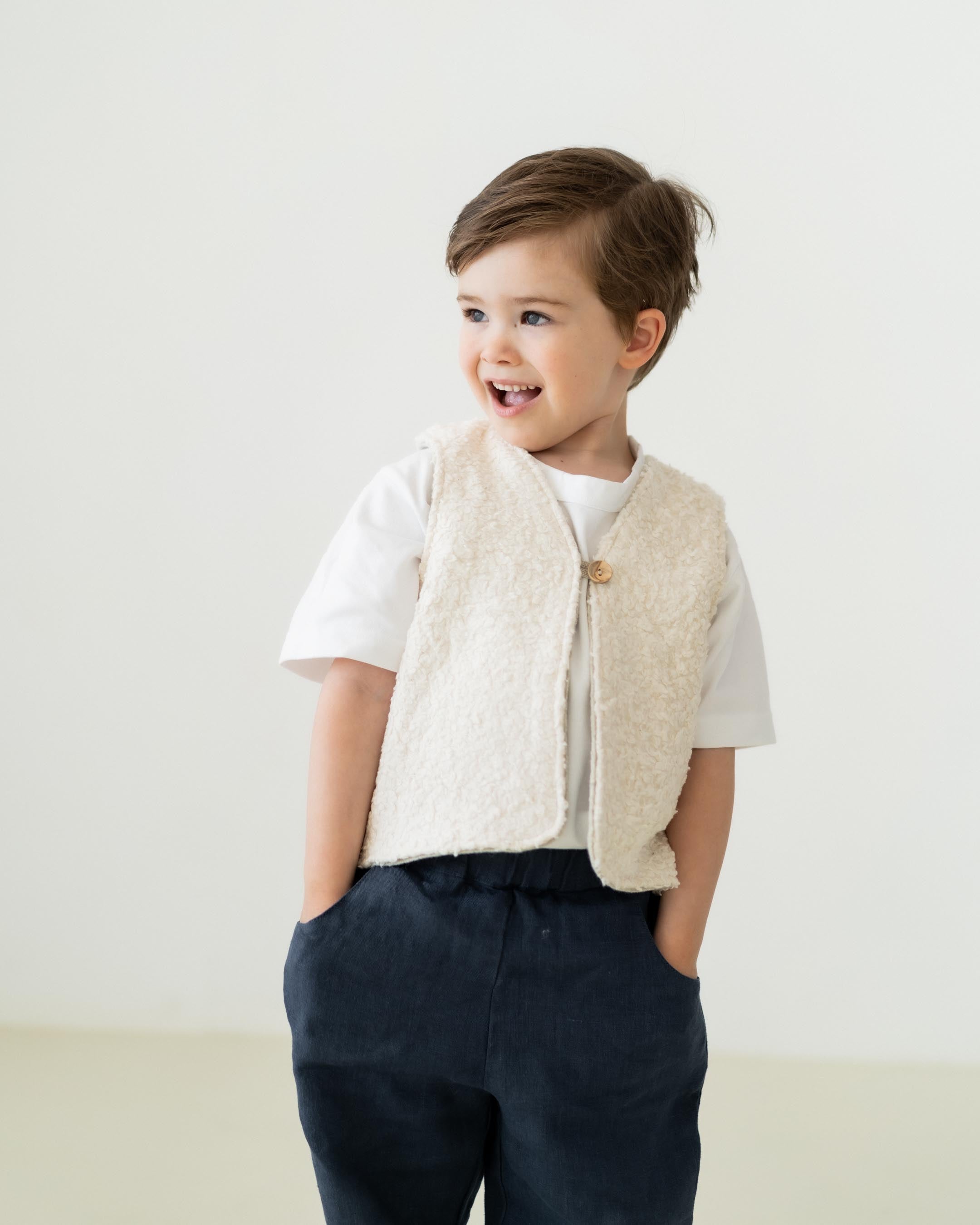
Boiled wool vests are the right choice if the vest is often worn outdoors. Boiled wool is denser than normal knitwear, so it reliably warms even without sleeves and is naturally water-repellent. One of our vests is additionally lined with soft teddy plush – it's warm enough to even replace a jacket on milder winter days. The chunky knit sleeveless pullover is intended more for indoors and the transitional period: loosely cut, quickly thrown on, and easy to combine over a long-sleeve shirt or dress.
Which material for what?
Boiled wool is felted wool – the fibers are compacted so that the material becomes more compact and warmer. Boiled wool provides insulating warmth and is water-repellent, making it the right choice for outdoors and cold days. Our knitted sleeveless pullovers made from merino wool and alpaca blend yarn are softer and lighter, but less robust against wind and weather – meaning they are more for indoors, kindergarten, or as a layer under a jacket.
Sizes and Fit
We carry sizes from 74/80 to 134/140 – approximately from 9 months to 10 years. Vests should not fit too snugly, so that a thicker sweater can still fit underneath. If you are between two sizes, we recommend the larger one – boiled wool and knitwear usually fit true to size, and a little extra room doesn't hurt for layering.
Care without much effort
Wool needs less washing than you might think. Airing it out is sufficient in most cases. If washing is necessary: wool program at a maximum of 30 °C or hand wash with wool detergent, then dry flat. Do not tumble dry, do not put on the heater – this way the vest will keep its shape for years.
Häufig gestellte Fragen
When should vests be worn – over or under a jacket?
Both are possible. On milder days, a boiled wool vest can often be worn as the outermost layer – instead of a jacket. When it gets colder, the vest can be worn under a jacket to provide extra warmth around the torso without making the arms too bulky. A knit vest is generally intended as a mid-layer.
Boiled wool or knit – which is warmer?
Boiled wool is significantly warmer than regular knitwear. The felted wool is denser, provides better insulation, and is also water-repellent. Knit vests are more comfortable indoors or as a layering piece under a jacket but do not retain heat as effectively in wind and cold.
What is the difference between a boiled wool vest and a boiled wool teddy vest?
The boiled wool teddy vest is lined with soft plush on the inside, making it much warmer – almost like a sleeveless transitional jacket. A standard boiled wool vest has the same material inside and out, making it lighter and more suitable for everyday wear.
From what age are the vests suitable?
We offer sizes from 74/80 (around 9–12 months) up to 134/140 (around 9–10 years). For babies, a vest is practical because it doesn’t restrict movement while being carried or crawling. For older children, it’s a classic piece for daycare and school.
Does wool itch on the skin even without sleeves?
A vest is rarely worn directly on the skin – usually there is a long-sleeve shirt, bodysuit, or sweater underneath. But even when worn directly, our wool does not itch: merino wool and alpaca have very fine fibers, and boiled wool feels softly felted rather than prickly.
How do I properly wash the vest?
Use a wool cycle at a maximum of 30°C or hand wash with wool detergent. Then dry flat, do not tumble dry, and do not place on a heater – otherwise the vest may felt or shrink. For boiled wool, airing it out is often sufficient.